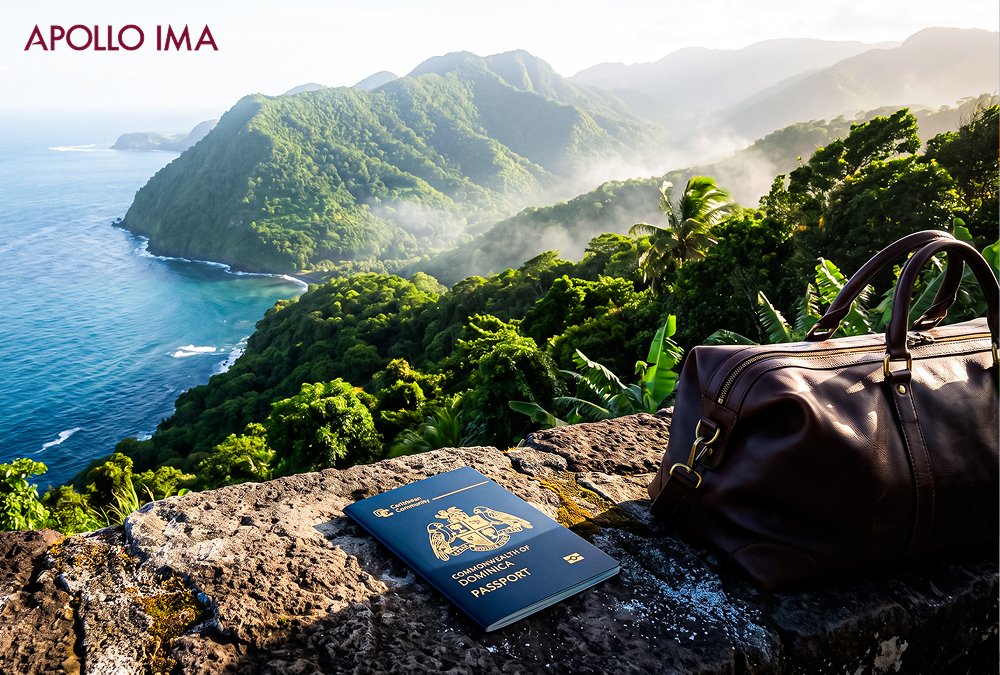
A second passport gets discussed mostly in terms of travel. Fewer articles cover what citizenship actually entitles you to once it’s granted, the legal rights that come with the document, not just the visa-free stamp count. Dominica’s citizenship comes with a specific set of rights, some obvious, some genuinely underused by people who hold the passport but never learn what it covers.
This breaks down what Dominica dual citizenship actually grants, beyond the passport photo and the mobility number everyone quotes.
Dual Citizenship Is Fully Recognized, Not Just Tolerated
Start with the legal foundation. Dominica’s constitution permits dual and multiple nationality outright. You’re not holding Dominican citizenship in some conditional or secondary status; it carries the same full legal standing as citizenship held by birth, and Dominica does not require you to renounce your existing nationality to acquire it.
That matters because not every country treats dual citizenship the same way. Some restrict it, some tax it differently, and some limit which rights a naturalized citizen can access compared to one born in the country. Dominica draws no such distinction. Once granted, your rights as a citizen are complete.
Dominica dual citizenship grants full legal citizenship rights, including the right to live and work in any CARICOM member state, own property without restriction, vote in national elections, run for parliamentary office, and pass citizenship on to future generations, all while keeping your original nationality.
The Right to Live and Work Across CARICOM
This is the most practically valuable right that gets underdiscussed. Dominica is a full member of the Caribbean Community, CARICOM, a bloc of 15 member states operating a shared single market.
As a Dominican citizen, you gain the right to:
- Live in any other CARICOM member state
- Work in those countries without needing a separate work permit
- Establish and run a business across the CARICOM single market
CARICOM’s members include Antigua and Barbuda, the Bahamas, Barbados, Belize, Grenada, Guyana, Jamaica, St Kitts and Nevis, St Lucia, St Vincent and the Grenadines, Trinidad and Tobago, and several others. That’s a real regional footprint, not a symbolic membership. For anyone thinking about business expansion or a second base somewhere in the Caribbean, this right does more heavy lifting than the visa-free country count usually gets credit for.
Property Ownership Without the Usual Restrictions
Most countries in the Caribbean require foreign nationals to obtain an Alien Landholding License before purchasing property, an added cost and an added process. Dominican citizens are exempt from that requirement entirely.

Once your citizenship is confirmed, you can purchase property in Dominica the same way any citizen born there can, without the license, without the extra fee layered onto the transaction, and without needing separate government approval for the purchase itself.
Voting Rights and Political Participation
This is where things get specific, and where a lot of general guides get vague. Dominica’s constitution grants every citizen the constitutional right to vote. That includes citizens who acquired their status through investment, not just those born in the country.
There’s a practical condition worth knowing if you live abroad permanently: to vote, you generally need to be physically present in Dominica for a period before the general election. It’s not an automatic remote right the way passport renewal or property purchase is.
Beyond voting, Dominican citizens are also constitutionally eligible to run for parliamentary office. That’s a genuine right, not a technicality, though it obviously comes with its own practical and residency-related considerations for anyone actually pursuing it.
Passing Citizenship to Future Generations
Dominican citizenship isn’t a one-generation benefit. Once granted, it can generally be passed on to your children and their children after them, extending the same rights, mobility, and legal status forward without each generation needing to reapply through investment.
For families thinking beyond their own lifetime, this is often the more significant right than anything tied to travel. A single successful application can establish a legal status that continues through descent for generations.
Tax Position for Non-Resident Citizens
Dominica does not impose the following on non-resident citizens:
- Global income tax
- Wealth tax
- Inheritance tax
- Capital gains tax
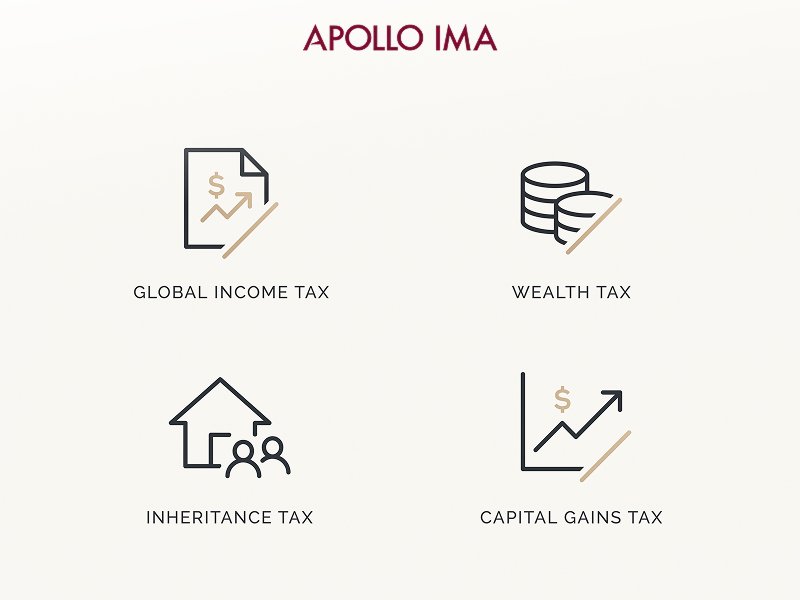
Whether that matters for your specific situation depends entirely on your existing tax residency elsewhere. This isn’t a substitute for proper tax planning, and Apollo IMA firm can point clients toward qualified tax counsel as part of the citizenship process.
No Obligation to Reside, Serve, or Relocate
Dominican citizenship comes with rights, not obligations. There’s no requirement to:
- Live in Dominica at any point, before or after citizenship
- Perform military or national service
- Give up your existing citizenship or passport
Citizenship exists as an available right, exercised on your terms, not a status that comes with conditions attached to daily life.
What This Citizenship Does Not Grant
Being direct matters here too. Dominican citizenship doesn’t grant visa-free access to the United States, and it doesn’t grant automatic residency rights inside the European Union beyond the visa-free travel access that comes with the passport itself. It’s a real, full citizenship with genuine regional and global rights attached, not a substitute for a different country’s residency or citizenship status.
How This Compares Across the Caribbean
CARICOM rights, dual citizenship recognition, and the property exemption aren’t unique to Dominica among Caribbean CBI programs, several neighboring countries share CARICOM membership and similar frameworks, including Grenada, St Kitts and Nevis, Antigua and Barbuda, and Saint Lucia. What varies between them is cost, mobility numbers, and specific conditions like Antigua’s residency requirement. For the full comparison, see Apollo IMA’s Caribbean citizenship by investment guide.
Who Should Care About These Rights Specifically
The CARICOM work and residency rights matter most if you have business interests anywhere in the Caribbean region already. The property exemption matters if Dominica itself is somewhere you’d consider owning real estate outright. The descent provision matters most to anyone thinking generationally about family security rather than their own immediate travel needs.
Not every applicant needs every right on this list. Understanding which ones actually apply to your situation is part of deciding whether Dominica is the right program in the first place.
Confirm Your Eligibility With Apollo IMA
Apollo IMA is an independent global advisory firm working across citizenship by investment, residency by investment, international real estate, and international company formation. For Dominica specifically, the process includes:
- Reviewing eligibility for the main applicant and any family members
- Comparing the Economic Diversification Fund and real estate routes
- Preparing and verifying the full due diligence file
- Coordinating directly with the Citizenship by Investment Unit
- Supporting the client through to passport issuance
Talk to Apollo IMA about Dominica citizenship if any of these specific rights, CARICOM access, property ownership, or the descent provision, are part of what’s driving your decision.
Frequently Asked Questions
Q1) Does Dominica allow dual citizenship?
Yes. Dominica’s constitution fully recognizes dual and multiple nationality, and you don’t need to renounce your existing citizenship to qualify.
Q2) Can I work in other Caribbean countries with Dominican citizenship?
Yes. As a CARICOM member state, Dominican citizens can live and work in other CARICOM countries without needing a separate work permit.
Q3) Can I buy property in Dominica as a citizen by investment?
Yes, and you’re exempt from the Alien Landholding License required of foreign nationals, along with its associated fee.
Q4) Can I vote in Dominica’s elections if I don’t live there?
Yes, it’s a constitutional right, though you generally need to be physically present in Dominica for a period before the election to cast your vote.
Q5) Can I pass Dominican citizenship to my children?
Yes. Citizenship generally passes to future generations, extending the same rights forward without each generation needing to reapply.
Q6) Do I have to give up my current citizenship?
No. Dominica permits dual citizenship, and there’s no requirement to renounce your existing nationality.
Q7) Does Apollo IMA handle the full Dominica citizenship process?
Yes. Apollo IMA manages the process from eligibility assessment through to passport issuance.