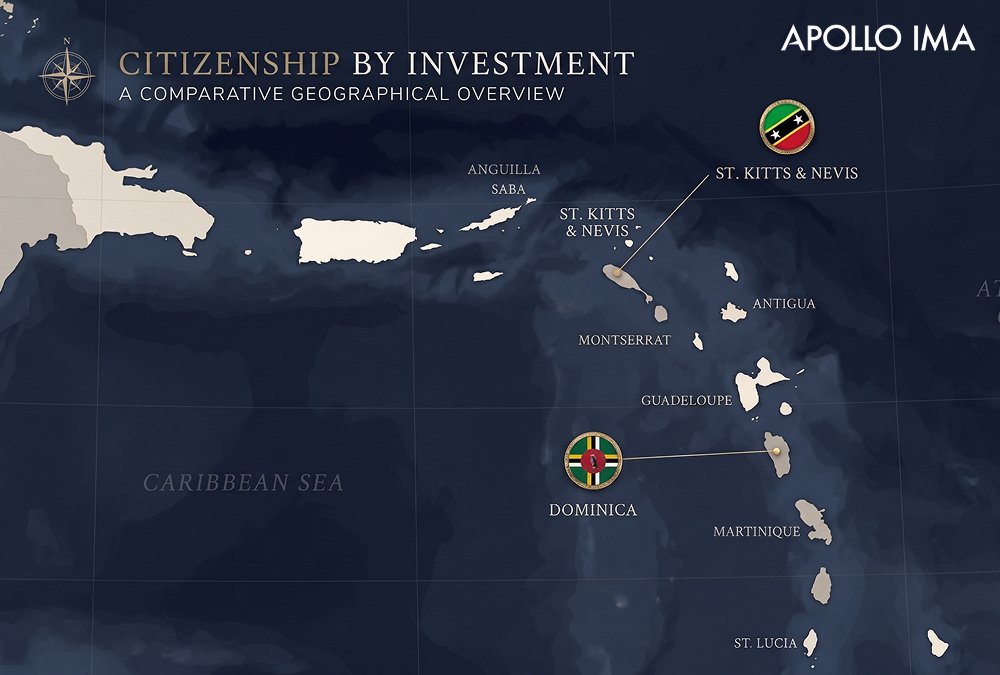
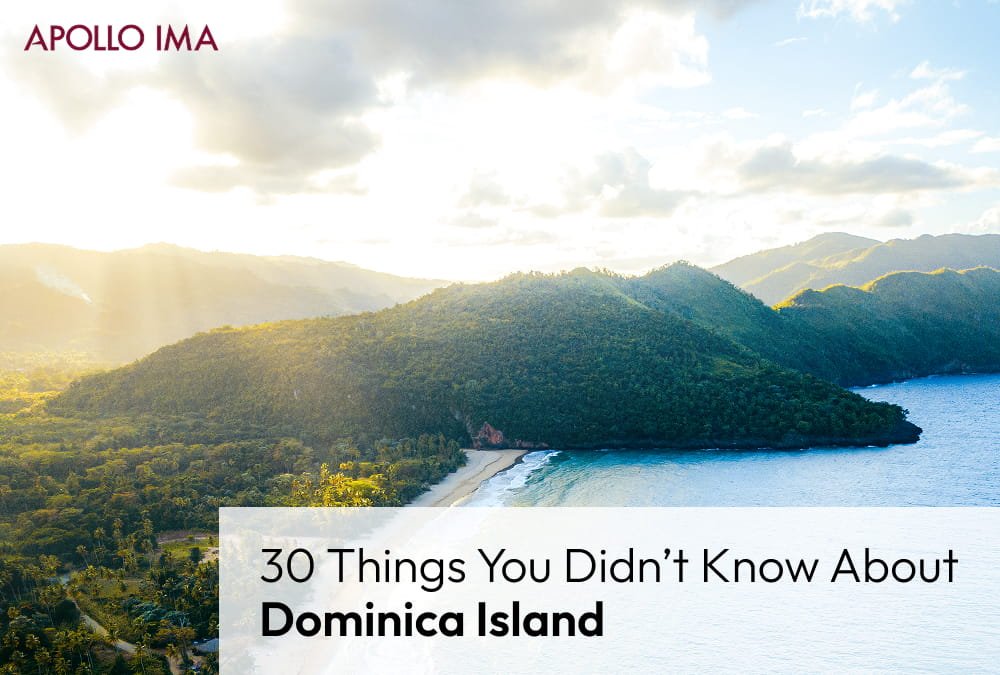
Dominica is not the Dominican Republic. That is the first thing many people get wrong. Dominica is a small volcanic island in the Eastern Caribbean, between Guadeloupe and Martinique. It has few big beaches and a lot of rainforest.
At Apollo IMA firm, we work with adults who look at Dominica as a place to visit, invest in, or hold a second passport. So, we pay attention to the details. Here are 30 facts, including the numbers behind Dominica citizenship by investment.
What Is Dominica Island?
Dominica is a volcanic island nation in the Eastern Caribbean, known as the Nature Isle. About 72,000 people live there, and the capital is Roseau. It became independent from Britain on 3 November 1978. Since 1993, it has also offered citizenship by investment, with a minimum investment of US$200,000.
Nature and Geography: Facts 1 to 10
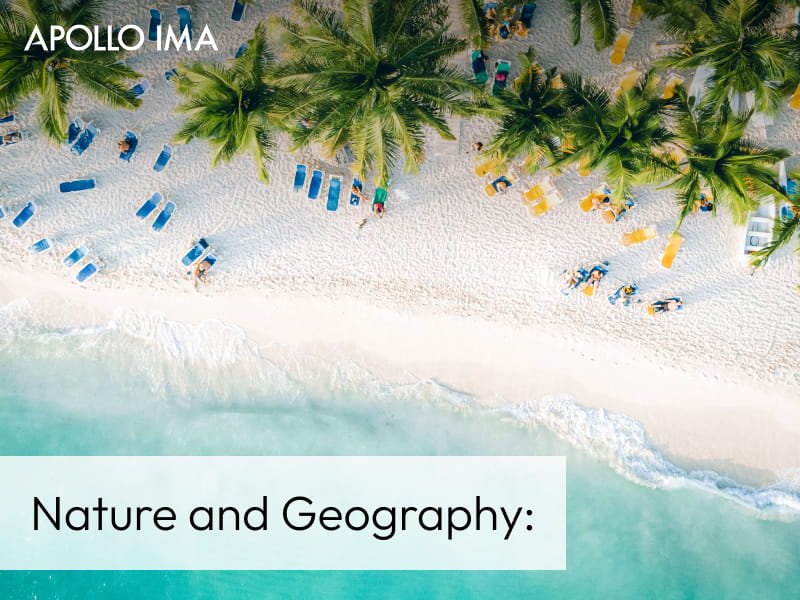
1. It is called the Nature Isle.
Rainforest covers much of the island, and large areas are protected. Most visitors come for hiking, rivers, and hot springs, not resorts.
2. It is not the Dominican Republic.
The two countries are far apart. Dominica sits in the Eastern Caribbean. The Dominican Republic shares an island with Haiti.
3. The island is small.
Dominica is about 47 km long and 26 km wide. Roseau, the capital, is on the western coast.
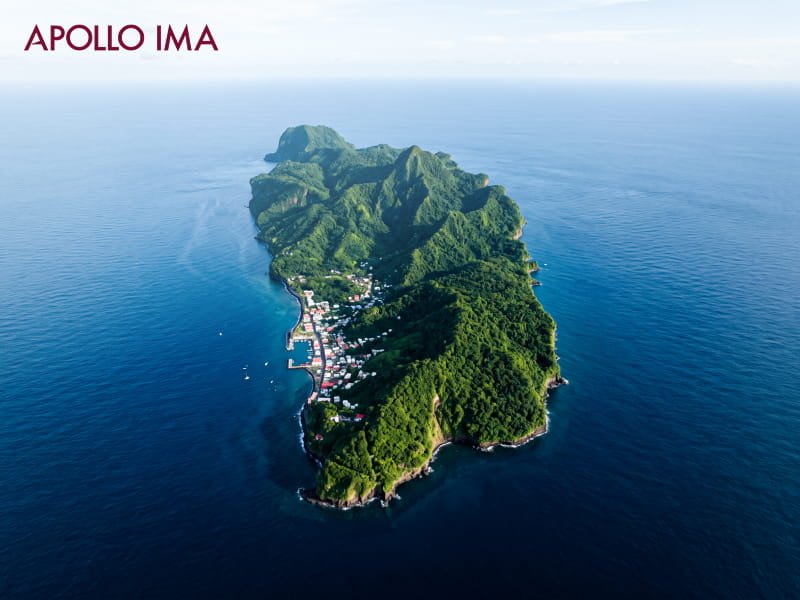
4. It is volcanic.
The island has nine potentially active volcanoes. That explains the steep peaks, hot springs, and dark sand on some beaches.
5. It has a boiling lake.
Boiling Lake is a flooded volcanic vent, often described as one of the largest hot lakes of its kind. The hike takes most of a day.
6. It has a UNESCO World Heritage Site.
Morne Trois Pitons National Park was listed in 1997. It covers the central mountains, waterfalls, and crater lakes.
7. Rivers are everywhere.
People often say Dominica has 365 rivers, one for every day. The exact count is debated, but water is never far away.
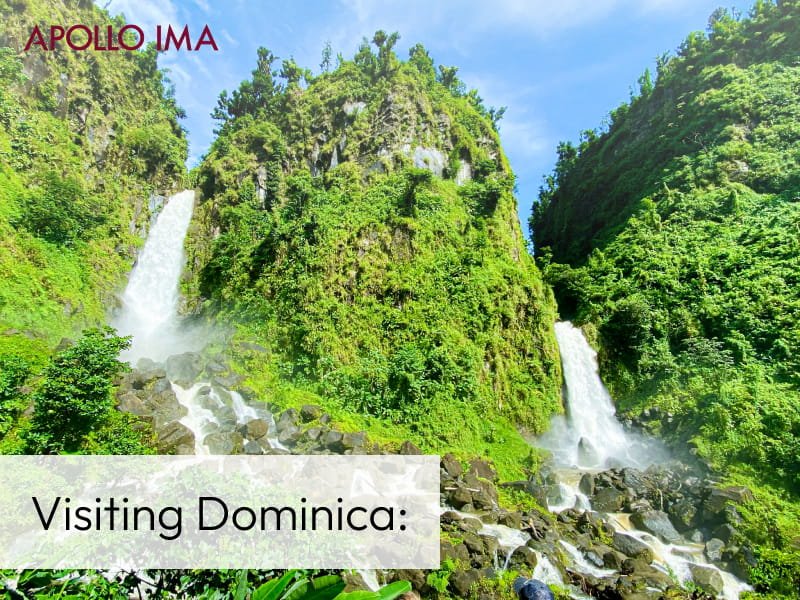
8. Trafalgar Falls is a twin waterfall
Locals call the two falls Mother and Father. A short walk from the road gets you to a viewing spot.
9. The highest peak is Morne Diablotins.
It rises to about 1,447 meters and sits inside its own national park.
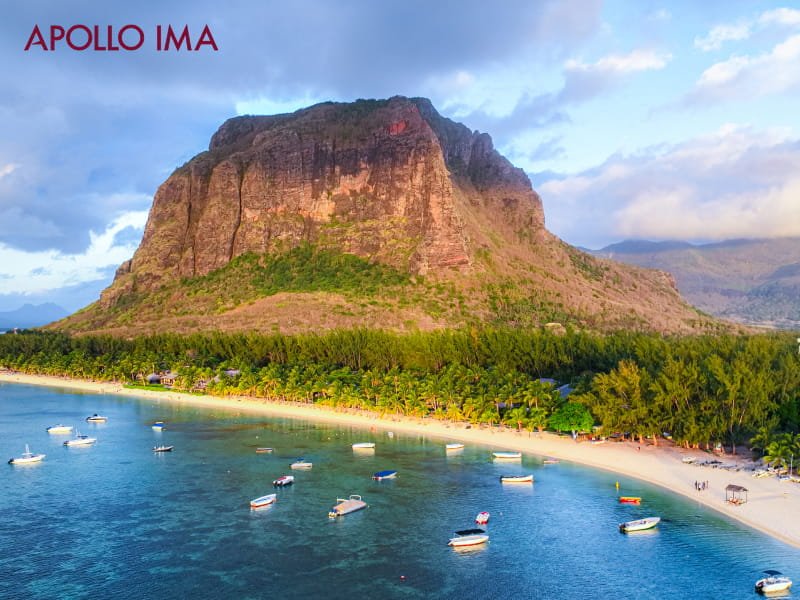
10. Sperm whales live offshore.
Sperm whales stay off the west coast for much of the year. That makes whale watching possible in many months.
History and Culture: Facts 11 to 18
11. The Kalinago still live here.
The Kalinago are the island’s Indigenous people. The Kalinago Territory on the east coast has its own elected chief and council.
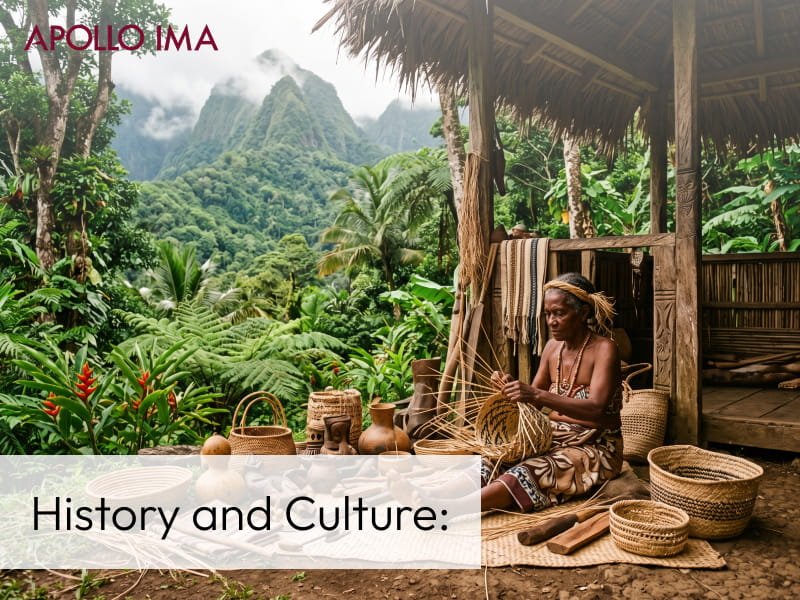
12. The old name means “tall is her body.”
The Kalinago called the island Wai’tukubuli. That name now marks the country’s long-distance hiking trail.
13. Columbus named it after a Sunday.
He sighted the island on a Sunday in 1493. Dominica comes from the Latin word for Sunday.
14. Independence came in 1978.
Dominica became independent from Britain on 3 November 1978. It is a parliamentary republic and a Commonwealth member.
15. Two languages are common.
English is the official language. Many people also speak Kwéyòl, a French-based Creole.
16. The flag has purple on it.
The flag shows a Sisserou parrot on a red disc. Few national flags use purple.
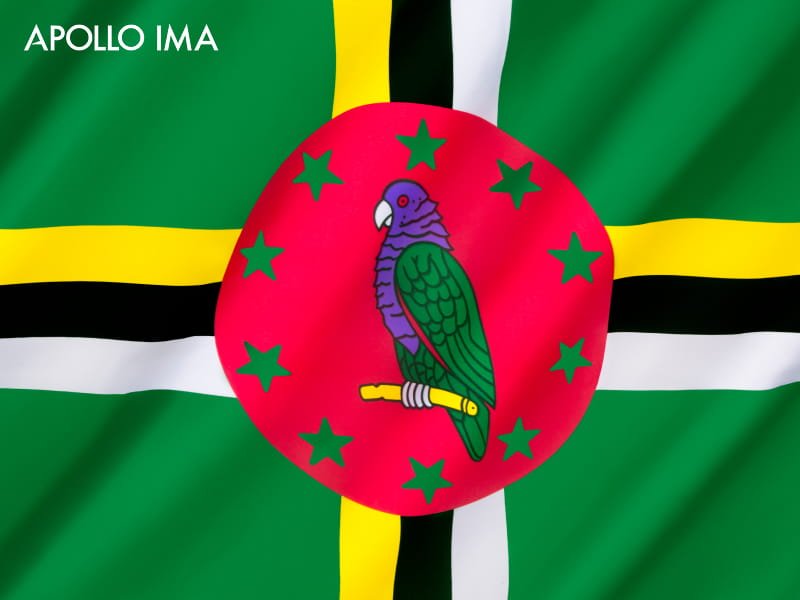
17. The national bird is endangered.
The Sisserou parrot lives in the island’s high forests. Its numbers are low, and it is protected.
18. Hurricane Maria changed the island.
Maria hit as a Category 5 storm in September 2017 and caused severe damage. The government has since set a goal of becoming climate resilient.
Visiting Dominica: Facts 19 to 22
19. The music festival is a big event.
The World Creole Music Festival is held in Roseau, usually in October. It draws Creole and Caribbean artists.
20. The trail has 14 segments.
The Waitukubuli National Trail runs about 185 km along the island. You can hike it in sections.
21. The currency is tied to the US dollar.
Dominica uses the East Caribbean dollar. It is fixed at 2.70 to the US dollar.
22. Flights are indirect.
There are no direct long-haul flights, so most visitors connect through nearby islands. That is one reason the island stays quiet.
Thinking About a Second Passport?
Speak to an Apollo IMA advisor about Dominica citizenship by investment.
Dominica Citizenship by Investment: Facts 23 to 30
The figures below come from the Apollo IMA firm Dominica program guide. Rules and fees can change, so confirm them with us before you apply.
23. The program started in 1993.
It has run for over three decades under the same legal framework. You can compare it with other citizenship by investment programs in the Caribbean.
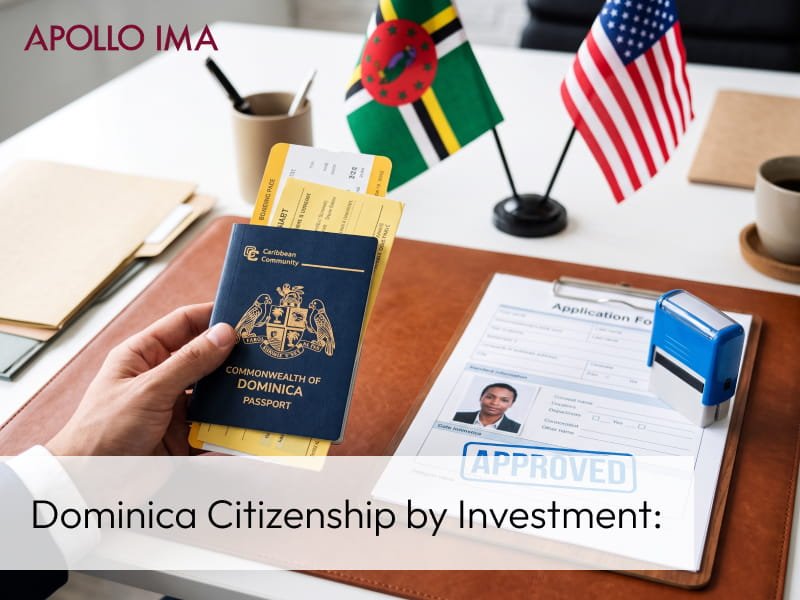
24. The donation route starts at US$200,000.
A single applicant makes a non-refundable contribution to the Economic Diversification Fund. A family of four pays US$250,000.
25. The real estate route starts at US$220,000.
The property must be in a government-approved development. Hold it for three years before selling, or five years to sell to a new applicant.
26. Extra dependents cost more.
Each additional dependent under 18 adds US$40,000.
27. The Dominica passport opens 135+ destinations.
Access is visa-free or visa-on-arrival. The list includes the UK, Ireland, Schengen states, China, Singapore, and Hong Kong.
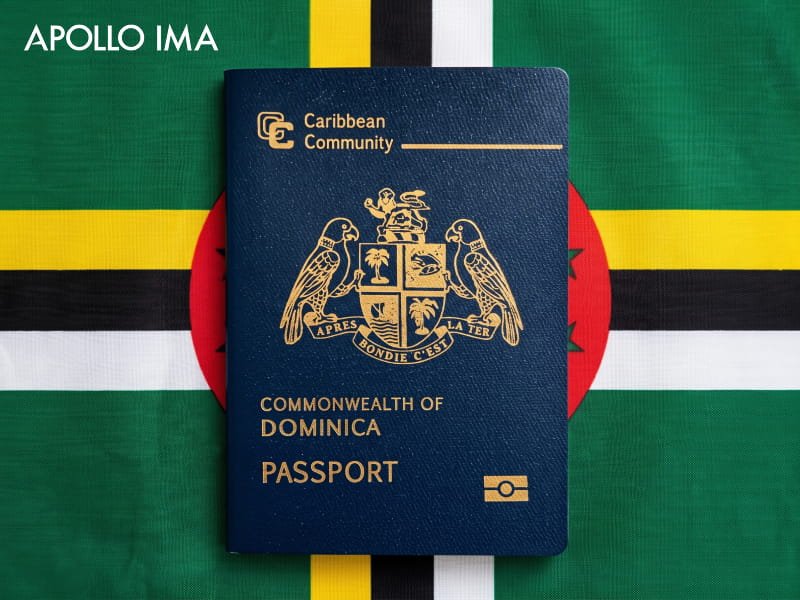
28. You do not have to live there.
There is no residency requirement before or after approval. Dual citizenship is allowed, so you keep your current nationality.
29. Family can be included.
A spouse, children, and dependent parents can join one application. Citizenship is for life and can pass to future generations.
30. The process takes about 12 to 16 weeks.
The guide lists five steps, from document preparation to passport issuance. The online interview happens in weeks 8 to 10.
Dominica Citizenship by Investment Cost at a Glance
Government and due diligence fees are paid on top of the investment. These are the main figures.
| Item | Amount (US$) |
|---|---|
| Donation route (Economic Diversification Fund) | |
| Single applicant | 200,000 |
| Family of four (main applicant, spouse, two dependents) | 250,000 |
| Additional dependent under 18 | 25,000 |
| Additional dependent aged 18 or over | 40,000 |
| Real estate route | |
| Minimum property value | 220,000 |
| Government fee: single applicant | 75,000 |
| Government fee: family of up to four | 100,000 |
| Additional dependent under 18 / aged 18 or over | 25,000 / 40,000 |
| Processing, due diligence, and interview fees | |
| Processing and due diligence: per application | 1,000 |
| Due diligence: main applicant | 7,500 |
| Due diligence: spouse | 4,000 |
| Due diligence: dependant aged 16 and above | 4,000 |
| Interview: per application | 1,000 |
Advisory, certification, and administrative costs also apply. Contact Apollo IMA firm for a written quotation for your case.
To qualify, applicants must show outstanding character, have a clean criminal record, be in excellent health, and have a basic command of English.
Still comparing options? Look at Saint Lucia citizenship by investment, Grenada citizenship by investment, Antigua and Barbuda citizenship by investment, or Saint Kitts and Nevis citizenship by investment.
Ready to Explore Dominica Citizenship?
Apollo IMA firm advisors can check your eligibility, explain the fees, and prepare your application.
Frequently Asked Questions About Dominica
Q1) Is Dominica the same as the Dominican Republic?
No. Dominica is an Eastern Caribbean island nation with its capital in Roseau. The Dominican Republic is a separate country that shares an island with Haiti.
Q2) What is Dominica known for?
Dominica is known as the Nature Isle for its rainforests, waterfalls, hot springs, and Boiling Lake. It is also known for its long-running citizenship by investment program.
Q3) How much does Dominica citizenship by investment cost?
The donation route starts at US220,000. Government, due diligence, and interview fees are extra.
Q4) How long does the process take?
The Apollo IMA firm guide sets out about 12 to 16 weeks from document preparation to passport issuance.
Q5) Do I need to live in Dominica to get citizenship?
No. There is no residency requirement before or after citizenship is granted. Dual citizenship is also allowed.